Brixton Market bulky rubbish removal tips traders South London
If you trade at Brixton Market, bulky waste has a way of building up faster than you expect. One broken display unit, a worn-out chair, a pile of packaging, and suddenly the back of the stall feels cramped, awkward, and a bit stressful. These Brixton Market bulky rubbish removal tips traders South London are written for real market days, busy loading times, and the kind of access issues that make simple clear-outs feel oddly complicated.
Whether you run a food stall, a clothing pitch, a pop-up unit, or a small independent shop nearby, the goal is the same: keep your space tidy, protect trading time, and remove bulky items without creating extra hassle for you, your neighbours, or your customers. In this guide, you'll get practical steps, common mistakes to avoid, local-minded advice, and a clear way to decide when to handle things yourself and when to bring in help. Let's make it straightforward.
Contents
- Why bulky rubbish removal matters for Brixton Market traders
- How bulky rubbish removal works in practice
- Key benefits and practical advantages
- Who this is for and when it makes sense
- Step-by-step guidance
- Expert tips for better results
- Common mistakes to avoid
- Tools, resources and recommendations
- Law, compliance, standards and best practice
- Options, methods and comparison table
- Case study or real-world example
- Practical checklist
- Conclusion
- Frequently asked questions
Why Brixton Market bulky rubbish removal tips traders South London Matters
Brixton Market is not the kind of place where waste can be left to sort itself out. Space is tight, foot traffic changes through the day, and a bulky item left in the wrong spot can block access, create trip hazards, or simply make a stall look unloved. For traders, that matters more than people sometimes admit. First impressions count. So does smooth working space behind the scenes.
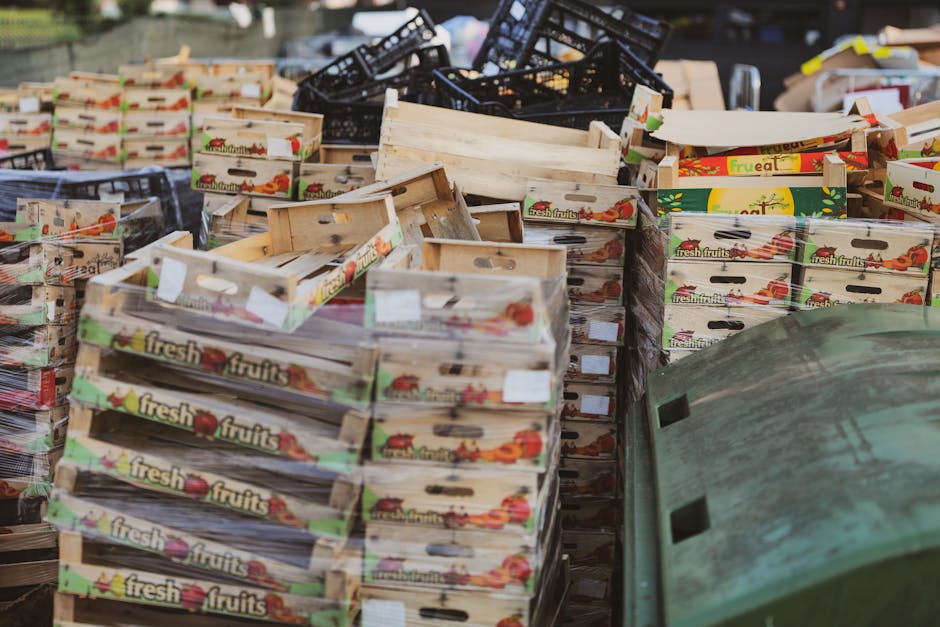
Bulky rubbish is different from ordinary bagged waste. It includes things like broken shelving, old tables, damaged cabinets, cracked crates, display fixtures, worn furniture, and bulky packaging that takes up more room than expected. A few items like that can eat into storage space and make stock handling clumsy. And in a market environment, clumsy becomes slow, then slow becomes costly. Not ideal on a Saturday morning.
There is also a neighbourly side to it. Traders share loading areas, pavements, service routes, and back-of-house space. If one stall leaves a pile of timber, metal, or old furniture out too long, everybody notices. The market feels more crowded, less organised, and a lot less pleasant for staff and visitors. That's why a good removal routine is not just tidiness. It is part of how the market runs.
For traders in South London, practical bulky waste planning is also about reputation. A neat pitch says you care. It tells customers you are on top of things. That may sound small, but small things add up. If you want a cleaner working pattern, a better customer impression, and fewer last-minute scrambles, it pays to get the system right.
How Brixton Market bulky rubbish removal tips traders South London Works
In simple terms, bulky rubbish removal for traders works best when it is treated as a planned task rather than an emergency clear-up. You identify what needs to go, separate reusable items from true waste, make sure the access route is clear, and arrange collection at a time that causes the least disruption. That's the basic shape of it.
In real life, the process usually looks like this:
- Walk through the stall or storage area and note every bulky item that needs removing.
- Split items into categories: reuse, recycle, donate where appropriate, and dispose.
- Check whether anything is awkward, sharp, heavy, or dismantling is needed.
- Measure access points if the item is large, especially for narrow lanes or stairs.
- Bag or bundle smaller parts so they do not become loose litter.
- Choose a collection time that fits around trading hours and loading restrictions.
- Use a licensed and suitable removal route for the material type.
That sounds tidy on paper. In practice, the challenge is usually access. Brixton can be lively, busy, and not especially forgiving when a large item needs moving through a tight space. A sofa may come out easily in theory, but once you reach a narrow passage or a busy shared service area, the plan can unravel fast. So a little prep goes a long way.
For traders with regular turnover, services such as business waste collection and rubbish removal can help keep bulky items from becoming a recurring headache. If the waste is mostly fixtures, furniture, or mixed clearance items, it may also make sense to look at furniture disposal or broader waste clearance support.
Key Benefits and Practical Advantages
Good bulky rubbish management offers more than a clean floor. It affects speed, safety, and how smoothly the trading day runs. Some benefits are obvious. Others only become obvious when things go wrong, which is usually the way of it.
- Faster set-up and pack-down: Less clutter means less time spent moving things around before you can even start trading.
- Better use of limited space: Market stalls and nearby storage areas can be compact, so removing dead weight matters.
- Reduced trip and handling risks: Old display stands or broken furniture can cause accidents if they are left in circulation areas.
- Cleaner customer-facing presentation: A neat stall feels more confident, more cared for, and less chaotic.
- Less disruption for neighbours: In shared trading environments, one trader's clutter often becomes everybody's problem.
- More predictable operations: If bulky waste is handled on a schedule, you avoid those panicky end-of-week clear-outs.
There is also a commercial advantage that people sometimes miss. When bulky waste is controlled, you can see what you actually have. That sounds obvious, but many traders only realise how much stock room they lost once the old racking, spare tables, and half-broken fixtures are gone. Suddenly, the space breathes again.
If you trade from a flat above or use a nearby home base for stock and prep, services like flat clearance and home clearance can also be relevant when you are clearing overstock, packaging, or old fittings from your working base rather than the pitch itself.
Who This Is For and When It Makes Sense
This is for anyone trading in or around Brixton Market who ends up dealing with large, awkward, or mixed waste items. That includes food and drink traders, fashion sellers, event-based stalls, pop-up operators, and nearby small businesses that use the market area for deliveries, storage, or stock rotation.
It especially makes sense if you are dealing with any of the following:
- old display tables or shelving
- damaged storage boxes or crates
- broken seating or counters
- expired promotional materials in bulk
- mixed clear-outs after a refit or seasonal change
- bulky packaging from deliveries
- items that are too large for ordinary bin collections
Sometimes traders wait too long because they assume the waste is not "big enough" to matter. But that is usually where the irritation starts. Three or four large items can be enough to make a compact trading area feel messy and difficult. On the other hand, if you only have a single sofa, a worn chair, or one damaged cabinet, a targeted service like sofa removal may be more sensible than a broader clearance.
If you are a business operating from a nearby office, the same logic applies there too. A dedicated office clearance can be more efficient than trying to patch together ad hoc trips to remove old desks and filing units. Truth be told, the best option is often the least dramatic one.
Step-by-Step Guidance
Here is a practical way to handle bulky rubbish around Brixton Market without making it overcomplicated.
- Identify the items early. Don't wait until they are stacked by the door. If something is unlikely to be reused, mark it for removal as soon as you know.
- Separate materials. Wood, metal, mixed plastics, textiles, and electrical items often need different handling. Even a rough separation helps.
- Check access and timing. Look at the route the item needs to travel. Is there a step? A tight doorway? Shared access? Busy periods nearby?
- Dismantle where sensible. A flat-pack cabinet or table often becomes easier and safer to move if you break it down first. Use caution, though. A rushed dismantle is a classic way to nick your hand or damage a wall.
- Protect the trading area. Put down temporary coverings if items are being dragged or carried through a customer-facing space.
- Keep the pickup point clear. The clearer the collection point, the faster the removal. It also avoids that awkward dance where everyone keeps moving things two metres at a time.
- Book a service that fits the load. For mixed waste and large items, a general rubbish collection or more specific waste removal option may suit better than trying to self-manage.
- Confirm what happens after collection. Good planning includes the end point: re-use, recycling, or disposal. If in doubt, ask exactly how the material will be handled.
One useful habit: take quick photos of the items before collection. Not for the sake of fuss. Just so you can remember what was removed, keep records tidy, and avoid confusion later if there are multiple clear-outs in a month.
Expert Tips for Better Results
Most bulky rubbish headaches come from poor sequencing, not the actual lifting. That is the bit people miss. You do not necessarily need more muscle; you need a better order of operations.
- Schedule removals outside peak trading windows: Early morning or after close often works best, but always think about surrounding activity too.
- Group items by type before collection: Mixed piles slow everything down. Small sorting saves time later.
- Keep one "clear lane" at all times: Even if the rest of the space is busy, one route should stay open for movement.
- Do not store waste as a temporary solution: Temporary has a funny habit of becoming permanent.
- Make one person responsible: A named point person avoids the "I thought someone else had booked it" problem.
- Use the right type of clearance: A shed load of old fittings is not the same as mixed commercial rubbish. Pick the closest service fit.
For heavier clear-outs, especially if the items are from a stockroom, back office, or storage unit, consider whether a broader service would be easier. Rubbish clearance works well for mixed loads, while waste disposal is a useful phrase to keep in mind when you need a straightforward route for end-of-life items.
And one small but real-world tip: keep a roll of tape, marker pens, and a handful of sacks nearby. It sounds boring. It is boring. Also very useful. The boring stuff often saves the day.
Common Mistakes to Avoid
Bulky rubbish removal is one of those jobs that looks simple right up until it isn't. The usual mistakes are predictable, which is good news, because they are avoidable.
- Leaving everything until the end of the week: That creates pile-ups, stress, and rushed lifting.
- Underestimating access: A large item may fit on paper but not through the real doorway or corridor.
- Mixing reusable stock with waste: This is a money mistake as much as an organisation mistake.
- Ignoring sharp edges or loose fixings: Broken furniture and display units can be nasty to handle.
- Assuming all services are interchangeable: A furniture load, builders' waste, and general commercial rubbish are not always the same thing.
- Overfilling the clear-up area: If the collection point is cluttered, the job takes longer and can look untidy to customers.
One of the easiest errors to make is forgetting that "bulky" doesn't always mean "heavy". A large but light item can still be awkward, especially in wind, rain, or a crowded loading area. Anyone who has chased a loose sheet of cardboard down a wet pavement in South London knows exactly what I mean. A bit of a comedy scene, until it isn't.
If you are dealing with larger fitting changes or any renovation-related debris, the more suitable route may be builders waste. That distinction matters because not all bulky waste behaves the same way, and not all collections are built for the same kind of load.
Tools, Resources and Recommendations
You do not need a warehouse full of equipment to manage bulky waste well. In most cases, a small set of practical tools makes a big difference.
- Gloves: Useful for handling rough wood, splinters, cardboard edges, and dusty items.
- Utility knife or screwdriver set: Handy for dismantling packaging or taking apart simple fixtures.
- Heavy-duty sacks: Good for mixed smaller bits that would otherwise scatter.
- Marker pens and labels: Helps separate what is to be kept, reused, or removed.
- Measuring tape: Essential for awkward doors, corridors, and tight market access points.
- Wheelie cart or trolley: Useful if you are moving items a short distance before collection.
On the service side, choose the route that matches your load rather than the nearest-sounding option. If you need occasional pickups, waste collection may be enough. If you need help clearing multiple items in one go, waste clearance may be the better fit. For a single bulky item or two, furniture disposal can be a neat solution.
For traders operating across a few locations in South West London, it can help to understand how your stock base, office, or storage point fits into the wider service picture. The area page for South West London gives a useful sense of coverage, especially if you split trading and storage across different neighbourhoods.
Law, Compliance, Standards and Best Practice
Whenever rubbish leaves a business premises, it is worth treating the process carefully. In the UK, traders are expected to manage commercial waste responsibly, and that means using sensible, lawful arrangements rather than informal disposal that might create problems later. The exact detail can vary depending on the material, location, and how the collection is arranged, so it is wise to be cautious rather than casual.
The main practical principles are straightforward:
- Use an appropriate waste route: Business waste should be handled as business waste, not mixed in with household assumptions.
- Keep records where needed: Good administrative habits matter, especially if you are clearing items regularly.
- Separate hazardous or specialist items: Electricals, sharp materials, and anything potentially contaminated should be treated with extra care.
- Do not abandon items on pavements or shared access areas: Even when space is tight, leaving bulky rubbish out too long can create nuisance and risk.
- Use a provider that can explain its process clearly: If a service cannot tell you what happens to the waste, that is a warning sign.
Best practice is less about memorising rules and more about using sound judgement. If you are unsure about a material, ask before the collection day. If an item feels too large or awkward to move safely, do not improvise with a half-tilted lift and crossed fingers. That's how backs complain for three days. Maybe four.
For general trade waste, a service like business waste is often the right place to start. If you are tidying a trading space, back room, or mixed commercial load, that route usually feels more aligned with day-to-day business reality than a one-off guesswork approach.
Options, Methods and Comparison Table
Different bulky waste jobs need different methods. The best choice depends on how much you have, what it is made of, and how quickly it needs to go. Here's a simple comparison to help you think it through.
| Method | Best for | Pros | Watch out for |
|---|---|---|---|
| Self-managed removal | Very small loads and easy access | Flexible, immediate, low planning | Time drain, lifting risk, transport issues |
| Targeted item removal | One or two bulky items such as a sofa or cabinet | Focused, simple, less disruption | Not ideal for mixed loads or repeated clear-outs |
| Mixed clearance service | Several item types from a stall, storage room, or unit | Efficient for varied waste, reduces sorting stress | Needs better prep and clearer item list |
| Business waste collection | Regular commercial waste and recurring trade rubbish | Predictable, business-friendly, easier to schedule | May not suit one-off bulky furniture spikes |
| Specialist clearance | Problematic, heavy, or mixed back-of-house waste | Good for awkward jobs and larger spaces | Needs careful item description upfront |
The point is not to overthink it. It is to match the job to the method. If you are clearing one battered armchair from a shop corner, a sofa-specific approach may be enough. If you are clearing a market back room after a refit, you probably want a broader solution that handles mixed items properly.
Case Study or Real-World Example
Picture a Brixton trader finishing a seasonal reset on a Thursday evening. The stall has an old counter, two cracked display shelves, packaging from new stock, and a couple of damaged chairs that have been sitting behind the pitch "for now" since the previous month. That "for now" is always the tell, isn't it?
Instead of pushing the issue into Friday morning chaos, they sort the items the day before: wood apart from metal, small loose fixings into a sack, reusable boxes kept aside, and the big pieces measured for access. They identify one narrow section near the loading point that needs to stay clear. Then they book a collection slot that avoids the busiest customer window.
The result is not glamorous. No confetti. No dramatic moment. Just a smoother start to trading, fewer trips around the stall, and a space that feels calmer when the doors open. A lot of good waste management is like that. Quietly useful. You only notice how much better it is once the mess is gone.
In another example, a nearby trader with a small upstairs storage room uses garage clearance-style thinking for the space: group everything by size, remove long-forgotten items first, and clear the heavy stuff before the small loose bits. The method works even when the room is not a garage at all. It's really about attitude: clear the space in layers, not all at once.
Practical Checklist
Use this before you book or move anything. It keeps the job simple.
- Identify every bulky item that needs to go.
- Separate reusable items from true waste.
- Check whether any item is sharp, broken, or unstable.
- Measure doorways, stairwells, and tight access points.
- Decide whether the load is furniture, mixed waste, business waste, or clearance material.
- Make a clear pickup point with enough working space.
- Remove loose parts, screws, and small debris.
- Choose a collection time that reduces disruption.
- Confirm what happens to the items after removal.
- Keep a note or photo record for your own tracking.
Quick takeaway: the better prepared the load is, the faster, safer, and cleaner the removal tends to be. That is the whole game, really.
Get a free quote today and see how much you can save.
Conclusion
Bulky rubbish removal for Brixton Market traders does not need to be complicated, but it does need to be deliberate. The traders who stay on top of it usually work from a simple rhythm: spot the item early, sort it properly, protect access, and choose the right collection method. That rhythm keeps the stall tidy and the working day less frazzled.
If you remember only one thing, make it this: bulky waste is easier when it is treated as part of trading, not as an afterthought. Small regular habits beat one massive clear-out every time. And in a place as active and tightly run as Brixton Market, that difference really shows.
Keep it neat, keep it moving, and give yourself a little breathing room. Your stall will thank you for it.
Frequently Asked Questions
What counts as bulky rubbish for Brixton Market traders?
Bulky rubbish usually means large or awkward items that will not fit in normal bins or bagged waste collections. For traders, that often includes old display units, broken furniture, shelving, counters, crates, and large packaging.
How do I know whether I need waste collection or rubbish removal?
If you have recurring trade waste, business waste collection may suit better. If you have a one-off clear-out with large items or mixed debris, rubbish removal or waste clearance is often the better fit.
Can I leave bulky items near the stall until collection day?
Only if they are kept safely, do not block access, and are not creating a nuisance. In practice, it is better to keep the pickup area tidy and move items there as close to collection time as possible.
What is the best way to clear a broken sofa or chair from a market unit?
For one or two items, a targeted furniture disposal or sofa removal option can be more efficient than a full clearance. If the load includes other mixed items, a broader rubbish removal service may be more practical.
Should traders sort waste before collection?
Yes, whenever possible. Sorting helps separate reusable items, reduces confusion, and makes the removal quicker. Even basic grouping by material or item type helps a lot.
What if access around Brixton Market is tight?
Then preparation matters even more. Measure the item, check the route, clear the path, and avoid last-minute manoeuvring. Tight access is where most bulky removals slow down.
Is it better to dismantle furniture before removal?
Sometimes yes, especially if it makes the item safer and easier to carry. But do not dismantle something if it could cause injury or make the waste more hazardous. If in doubt, leave it whole and explain the item clearly in advance.
What should traders do with old stockroom furniture?
Old stockroom furniture is usually best handled through furniture disposal, office clearance, or a mixed waste clearance approach depending on what else is being removed.
How can I avoid bulky rubbish building up again?
Set a regular review point, keep a small holding area for items due to be removed, and avoid using the trading space as long-term storage. A short weekly tidy-up helps more than most people expect.
Do I need a different approach for builders' waste from a stall refit?
Yes. If the waste includes timber offcuts, fixtures, or renovation debris, builders waste is usually the more appropriate route. Mixed commercial rubbish and building debris should not be treated as the same thing.
What is the most common mistake traders make with bulky rubbish?
The biggest mistake is leaving it too late. Once items start stacking up, access gets harder, the space gets tighter, and the job becomes more stressful than it needed to be.
Where should I start if I have a larger clear-out near Brixton?
Start by listing the items, checking access, and deciding whether you need a single-item service, mixed clearance, or regular business waste support. If you are unsure, begin with the service that best matches the bulk and type of waste, then refine from there.